Modern infrastructure demands more than just basic functionality and that is why people these days focus on both functioning and aesthetics. Lighting structures today are expected to support safety, durability, and visual harmony across streets, public areas, commercial zones, and residential developments. While conventional poles have served infrastructure needs for decades, changing urban design standards have brought the decorative pole into focus. We believe the comparison between these two options is essential for planners and developers who aim to build spaces that look refined and perform reliably over the long term. We have shared the comparison between the two in this blog to help one understand which one is better for modern infrastructure.
Comparison on the basis of visual appeal and modern architecture
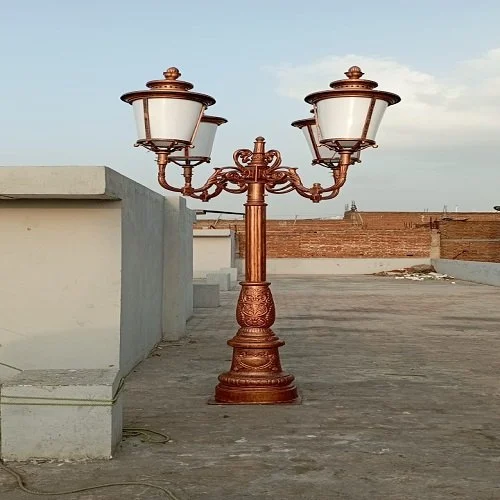
Conventional poles are designed with a straightforward approach where appearance is secondary to utility. They serve their purpose but rarely add any character to the surrounding environment. In contrast, decorative poles enhance the overall look of an area by aligning with architectural themes and landscape design. Whether installed in city roads, parks, promenades, or commercial complexes, decorative designs help create visually appealing and cohesive spaces. We often see modern infrastructure projects prioritizing aesthetics because public perception matters. Well-designed lighting poles contribute to a sense of order, safety, and premium development. Decorative options support urban branding and elevate the identity of a location, making them more suitable for contemporary planning needs.
Comparison on the basis of strength and long term durability
Infrastructure investments are expected to last for years with minimal maintenance. Conventional poles are generally mass produced and may not always be optimized for long term exposure to varying weather conditions. Over time, issues such as corrosion, fading, and structural stress can affect their performance. A decorative pole is usually manufactured using superior materials and advanced surface treatments. These poles are built to withstand environmental challenges while maintaining their finish and structural stability. We find that decorative poles offer greater reliability for projects where long service life and consistent appearance are essential.
Comparison on the basis of their compatibility with modern lighting systems
Lighting technology is advancing rapidly with the adoption of energy efficient fixtures, smart lighting controls, and integrated electrical systems. Conventional poles often have limited flexibility when it comes to accommodating these evolving requirements. Decorative poles are designed with adaptability in mind. They can support a wide range of luminaires and modern lighting components without compromising design or safety. This makes them ideal for smart infrastructure projects where future upgrades are expected. We consider this adaptability a major advantage when planning long term urban development.
Conclusion
When evaluating lighting infrastructure for modern projects, the choice between decorative and conventional poles should be guided by long term vision rather than immediate cost alone. Conventional poles still have relevance in purely functional settings, but modern infrastructure increasingly demands solutions that combine strength, adaptability, and visual appeal. A decorative pole meets these expectations by enhancing urban aesthetics while delivering reliable performance over time. We at Alfa India Trading Company believe that investing in the right lighting support structures helps create safer, more attractive, and modern infrastructure that reflect reliable planning and lasting value.